
Mental Wellness Options for Beginners: Simple, Effective Practices
- Sylvia Leifheit

- Jul 21
- 7 min read
Updated: Aug 9

The most accessible mental wellness options for beginners are also the most research-backed: daily walking, connecting with people you care about, learning something new, small acts of kindness, and practicing mindfulness. You do not need an hour of meditation or a gym membership to start. What actually works, according to the National Institute of Mental Health, is consistency with small, manageable habits rather than occasional intense effort.
Here is a quick-start list you can act on today:
Walk for 30 minutes or break it into shorter segments throughout the day to lift your mood
Reach out to one person — a text, a call, or a short video chat counts
Try a micro-ritual: one minute of slow breathing, two minutes of gentle stretching, two minutes of journaling
Practice gratitude by writing down three specific things you appreciated today
Eat regular meals, drink water, and protect your sleep — these are not optional extras; they are the base layer
Explore guided mindfulness audio if silence feels uncomfortable at first
Look into mental health resources and apps that connect you to practitioners, coaches, or structured programs
None of these require prior experience. Each one has a measurable effect on mood, focus, and resilience when practiced regularly.
Practical beginner mental health tips you can use right now
Starting a mental wellness routine does not have to feel like a project. The tips below are ordered by ease of entry, so you can pick one today and add others as you go.

1. Walk every day, even briefly
Just 30 minutes of walking daily can boost your mood and improve your overall health, and smaller amounts still add up. If 30 minutes feels like too much, three 10-minute walks produce a similar effect. Walking outdoors adds the benefit of natural light and a change of scenery, both of which reduce cortisol.

2. Stay in contact with people you trust
Social connection is one of the most protective factors for mental health. Good relationships build a sense of belonging, create opportunities to share positive experiences, and provide emotional support. A daily check-in with a friend or family member, even a brief one, is enough to maintain that sense of connection.
3. Learn something new
Picking up a new skill, whether cooking a different recipe, studying a language, or trying a craft, builds self-confidence and a sense of purpose. Research cited by the NHS shows that learning new skills improves mental well-being by raising self-esteem and helping people feel more connected to the world around them.
4. Give to others in small ways
Acts of kindness create a positive feedback loop. Saying thank you, listening attentively, or volunteering an hour of your time generates feelings of purpose and reward. These do not need to be grand gestures. Asking a colleague how they are doing, and genuinely listening to the answer, qualifies.
5. Practice mindfulness informally
Mindfulness does not require a cushion or a dedicated room. Informal mindfulness practices like paying close attention while eating, noticing the sensation of air as you walk, or naming your emotions as they arise all build attentional control and reduce stress. A two-week plan of just five minutes daily totals 70 minutes of practice, which is enough to notice a shift.
6. Reframe unhelpful thoughts
The way you think, feel, and behave are closely linked. When a negative thought pattern repeats, pausing to ask “Is this thought accurate?” or “What would I tell a friend in this situation?” interrupts the cycle. Gratitude practice supports this: writing down three specific things you are grateful for each day trains the brain to scan for the positive rather than defaulting to threat detection.
7. Protect your sleep
Sleep affects mood more directly than most people realize. Poor sleep makes irritability and anxiety worse, and chronic sleep deprivation raises the risk of depression over time. A consistent sleep schedule, reducing screen exposure before bed, and keeping the bedroom cool and dark are the three changes with the strongest evidence behind them.
8. Eat well and stay hydrated
A balanced diet and adequate water intake improve energy and focus throughout the day. Certain nutritional gaps, such as low vitamin B12, have been linked to depression. You do not need a strict meal plan. Prioritizing regular meals and reducing caffeine and alcohol, which both affect mood, is a practical starting point.
9. Use breathwork as a reset
Slow, deliberate breathing activates the body’s parasympathetic nervous system, which counteracts the stress response. Alternate-nostril breathing, where you breathe through one nostril at a time for five to ten breaths before switching, is one technique with a measurable calming effect. It takes under two minutes and can be done anywhere.
10. Try a hobby or creative activity
A study published in Nature Medicine in september 2023 found that having a hobby is associated with better overall health and mood. Hobbies engage creativity, self-expression, and cognitive stimulation simultaneously. If you do not have one, project kits for gardening, woodworking, or cooking offer a low-barrier entry point.
11. Explore mental health resources and apps
Structured programs, guided audio, and self-care resources can provide scaffolding when you are not sure where to start. Spine App connects people to practitioners, coaches, sessions, and events across conventional and holistic care paths, so you can describe what you need in your own words and find support that fits your situation.
What are the core pillars of mental wellness?
Mental wellness is not simply the absence of illness. Harvard Health describes it as a state that considers psychological, physical, emotional, and social well-being together, and notes that it fluctuates as circumstances change. Understanding the pillars helps you see why the habits above work, not just that they do.
Pillar | What it means in practice |
Connect | Maintain regular, meaningful contact with friends, family, or your wider community |
Be active | Move your body daily in any form you enjoy, indoors or outdoors |
Keep learning | Pursue a skill, course, or creative project that challenges you gently |
Give | Offer time, attention, or kindness to others without expectation of return |
Be mindful | Pay attention to the present moment, including your thoughts and physical sensations |
These five pillars come from evidence reviewed by the NHS and align with NIMH guidance on building resilience through routine rather than perfection. Physical health sits underneath all five. Sleep, nutrition, and hydration act as a stress buffer, and the relationship runs both ways: better mental wellness tends to support healthier physical habits.
One thing beginners often miss is that the goal is not to master all five pillars at once. Picking one and practicing it consistently for two weeks produces more lasting change than attempting everything simultaneously and burning out.
How to start and actually maintain a mental wellness routine
The most common reason beginners stop is not lack of motivation. It is that the routine feels too separate from daily life, like something extra to fit in. The fix is to attach new habits to things you already do.
Anchor habits to existing routines. Breathe slowly for one minute while your coffee brews. Stretch for two minutes before you check your phone in the morning. Write three sentences in a journal after dinner. These micro-rituals require no extra time slot.
Start with guided content if silence feels difficult. Many people find unguided meditation uncomfortable at first. A short guided audio session lowers that barrier until independent practice feels natural.
Track what energizes you versus what drains you. At the end of each day, note which activities left you feeling better and which left you flat. Over a week, patterns emerge that help you build a routine around what actually works for your life.
Set goals that are specific and small. “I will walk for ten minutes after lunch on weekdays” is more likely to stick than “I will exercise more.”
Know when to seek professional support. If you experience difficulty sleeping, loss of interest in things you usually enjoy, or persistent low mood lasting two weeks or more, talking to a health care provider is the right next step. Self-care supports mental health; it does not replace professional care when symptoms are serious.
Pro Tip: Start with one micro-ritual and repeat it at the same time each day for two weeks before adding anything else. Consistency with one habit builds the neural pathway that makes the next habit easier to form.
For a deeper look at body-based stress practices like breathwork and stretching, or to explore how mindfulness fits alongside conventional care, Spine App’s resource library covers both in practical, accessible terms.
[
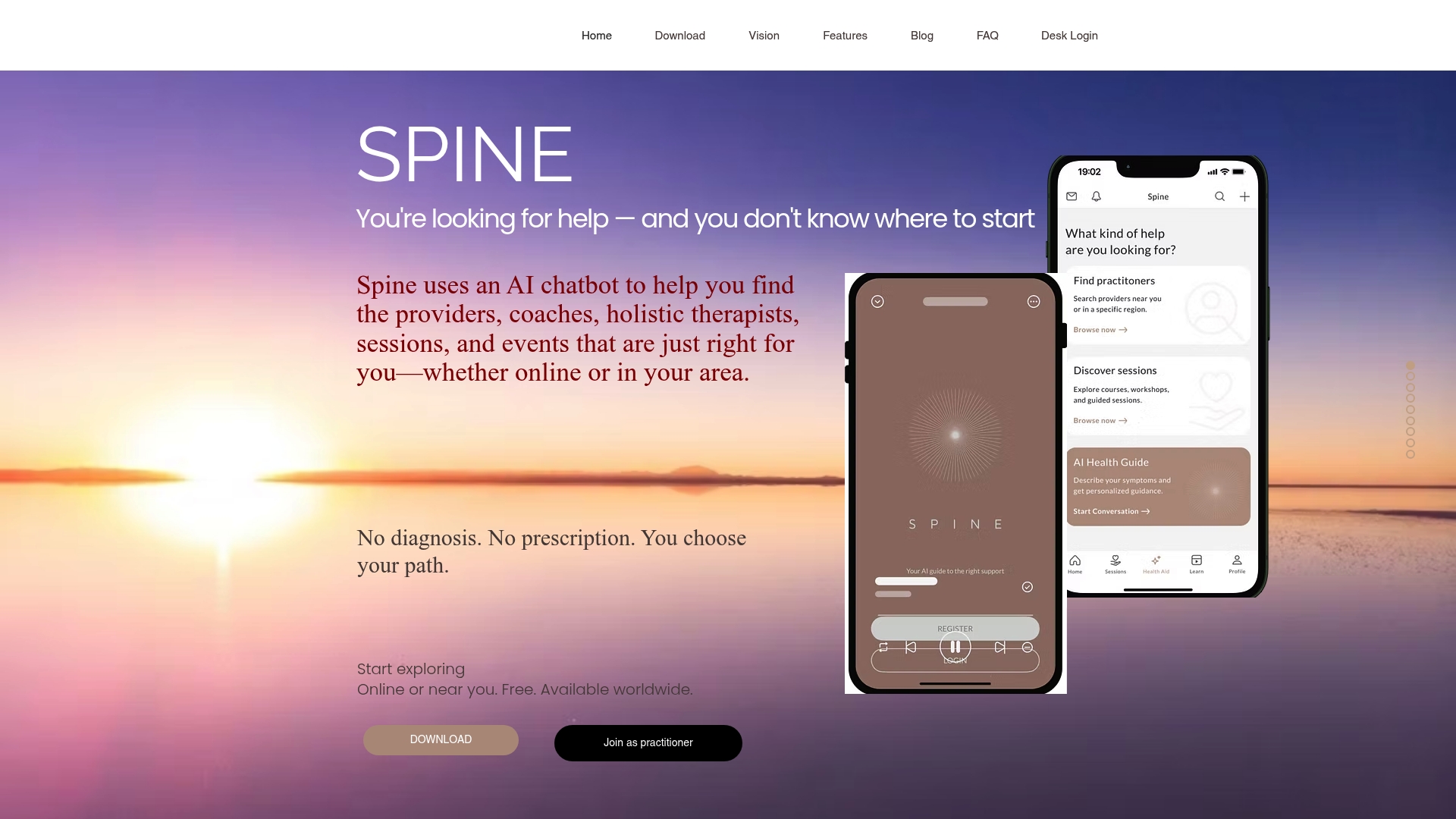
Starting your mental wellness path is easier when you have a clear place to begin. Spine App guides you to practitioners, coaches, and sessions matched to what you actually need, whether that is conventional therapy, a holistic approach, or both. Describe your situation in your own words and let Spine App do the rest. Find your support on iOS, Android, or the web.
Key Takeaways
Building mental wellness as a beginner works best through small, consistent daily habits anchored to existing routines, supported by sleep, nutrition, and social connection.
Point | Details |
Start with the five pillars | Connect, be active, learn, give, and practice mindfulness form the evidence-based foundation. |
Walk 30 minutes daily | Even broken into shorter segments, daily walking measurably improves mood and health. |
Use micro-rituals | A five-minute sequence of breathing, stretching, and journaling lowers stress without requiring extra time. |
Consistency beats intensity | Small daily habits build resilience more effectively than occasional intense efforts. |
Know when to get help | Symptoms lasting two weeks or more, such as sleep difficulty or loss of interest, warrant professional support. |
FAQ
What are some simple mental wellness activities for beginners?
Walking, gratitude journaling, slow breathing, and brief social contact are among the most accessible starting points. The NHS and NIMH both recommend these as foundational self-care practices with measurable effects on mood and resilience.
What is the 3-3-3 rule in mental health?
The 3-3-3 rule is a grounding technique for anxiety: name three things you can see, three sounds you can hear, and move three parts of your body. It redirects attention to the present moment and interrupts anxious thought spirals.
How do you start improving mental wellness when you feel overwhelmed?
Begin with one small habit attached to something you already do, such as one minute of slow breathing before a meal. NIMH guidance emphasizes that even minimal, consistent activity accumulates into meaningful mental health benefit over time.
When should you seek professional help for mental health?
If you experience persistent difficulty sleeping, loss of interest in activities you usually enjoy, or low mood lasting two weeks or more, a primary care provider can refer you to a qualified mental health professional such as a psychologist or clinical social worker.
Can apps and online resources genuinely support mental wellness?
Structured apps and guided programs can lower the barrier to starting, particularly for mindfulness and breathwork. They work best as a complement to real-world connection and, when needed, professional care rather than as a standalone solution.
Written by Sylvia Leifheit
Recommended